


By Alice
Key Takeaways
- Muscles work by contracting and relaxing to pull on bones and create movement.
- Three major types: skeletal (move you), smooth (organs), and cardiac (your heart).
- Healthy muscles love hydration, protein, and gentle daily movement.
- Kindness & teamwork matter—strong bodies go with strong character.
OKAY LISTEN—something bonkers happened this morning.
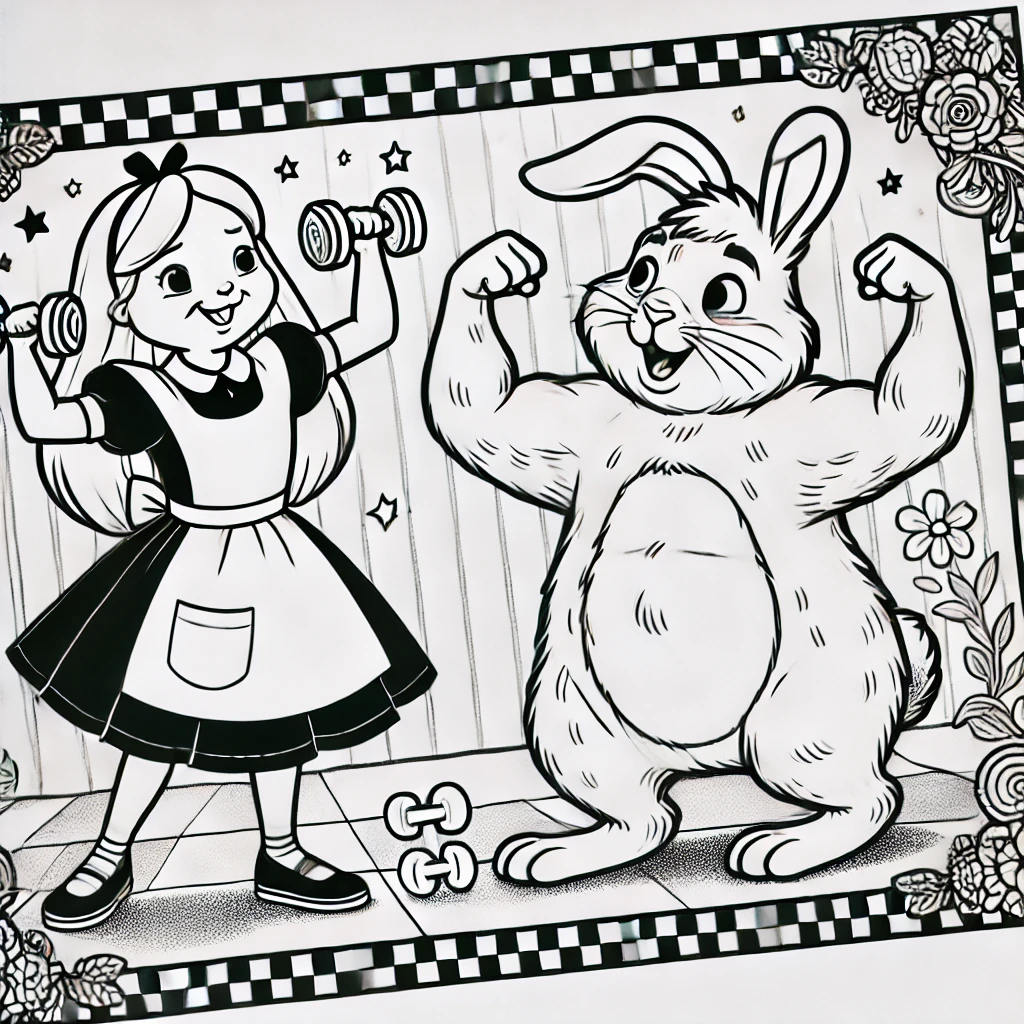
I woke up and my arms were flopping all over the place like spaghetti noodles doing jazz hands. I tried to lift Mr. Fluffernutter for our usual morning bunny dance, but WHOA—my muscles were like, “Nope! Still snoozing.” So I screamed (politely): “MY WIGGLE WARRIORS ARE BROKEN!”
Then Ariel, my super-smart big sister (she reads books with no pictures), walked in holding her new STEM paper and said, “Actually, Alice, those are your muscles stretching after sleep.” She even made a fancy diagram and everything.
Wait—MUSCLES?
That’s when I had the biggest idea ever: What if your muscles are actually a team of superhero noodles inside you, pulling levers and lifting toast and making you wiggle with joy?
Grab the printable:
Download the Educational PDFSo today’s adventure is called MUSCLE MADNESS, and it’s very science-y but also very giggle-y. We’re talking all about muscles for kids STEM—and how God made our bodies to flex, stretch, run, twirl, and PRAISE with every part.
Mr. Fluffernutter thinks biceps are for hugging and high-fiving Jesus. I think he’s right.
Ready to explore your incredible muscle-y self, learn how God knit you together with love (Psalm 139:14-style!), and maybe invent a new dance move called “The Holy Hamstring Hop”?
THEN FOLLOW ME—AND DON’T FORGET TO STRETCH!
Let’s goooo! 💨💖💪
TL;DR — Muscles in one minute
Muscles pull on bones to move your body. Skeletal muscles are voluntary (you control them), smooth muscles work inside organs automatically, and your heart is a special muscle that never takes a day off. Fuel them with sleep, water, and nutritious food, then practice balance and stretching daily.

🧠 What ARE Muscles, Anyway?!
Okay, so Ariel (my super-sciencey sister) told me something that totally blew my curly hair right off my brain.
Ready? There are THREE kinds of muscles inside your body. THREE! That’s almost as many scoops as I get on ice cream day (if nobody’s watching). 🍦😏
And guess what? God made them all to do super-important, superhero-type jobs! 💪✨ Welcome to the wiggly world of muscles for kids STEM—with a little bunny backup.
💪 Skeletal Muscles: The Move-It Masters!
These are the stretchy, stringy heroes that let you jump, spin, wave, hug, skip, kick, and do the “Praise Jesus Polka” (patent pending). They’re like rubber bands attached to your bones, ready to PULL and PUSH you into action.
“For in Him we live and move and have our being.”—Acts 17:28
Mr. Fluffernutter says these muscles also help with snack dashes and sibling chases. I agree completely. 🐰💨
💖 Cardiac Muscle: The Heartbeat Hero!
This one is my FAVORITE. It’s found only in one special place: your heart. YEP. Your heart is actually a MUSCLE. That thump-thump you feel? It’s doing that all day and night—even when you’re dreaming about marshmallow clouds and trampoline zoos.
God made this muscle to never take a break, which is pretty amazing… unless you’re a bunny who naps twelve times a day. (Looking at you, Fluffy.)
🌀 Smooth Muscles: The Quiet Champions!
These muscles are sneaky strong. They live in your tummy, your blood pipes, and all the twisty-turny tunnels inside you. They don’t need cheering or trophies—they just keep working behind the scenes like gentle little helpers.
They help you swallow, digest, and keep your blood flowing like a river of life. I call them the “Invisible Wiggle Workers.” You’re welcome.
“I praise you because I am fearfully and wonderfully made.”—Psalm 139:14
Did you know God designed your body to move and worship Him—even with muscles you don’t see?
Can you feel your heartbeat right now and thank Him for that amazing design?
FAQ
How many muscles do kids have?
Adults count around 600+ muscles. Kids have the same set—just still growing stronger and smarter every day.

🚀 How Do Muscles Actually Move?!
Okay, so Ariel taught me this big, brain-stretching thing called the Sliding Filament Theory—which sounds like a spaceship maneuver but is really how your muscles move.
Basically? Your muscles don’t push. THEY PULL. Like tug-of-war, but inside your legs. (Mind. Blown.)
🧠 How Muscles Move (aka Bunny Blanket Science)
Here’s what happens when your body decides to boogie:
- Step 1: Your brain sends a message down your nerves like a super-speedy mailman: “HEY! Let’s move!”
- Step 2: Your muscles get the memo, and these teeny-tiny stretchy things inside called actin and myosin grab onto each other like they’re doing a muscley dance. They slide together to make a PULL.
- Step 3: Your arm lifts! Your legs run! Your mouth opens to shout, “LAST COOKIE IS MINE!” 🍪💨
“Whatever you do, do it all for the glory of God.”—1 Corinthians 10:31
Mr. Fluffernutter says it’s exactly like when he pulls all the blankets to his side of the bed. He’s not pushing. He’s just being a protein strand with bedtime goals. 😂🐰
This part of our muscles for kids STEM adventure shows how brilliant God’s design is—even down to the teeny-tiny tuggers inside our arms and legs. ✨
Have you ever felt your muscles work really hard—like during a race, a dance party, or carrying your Bible to church?
Isn’t it AMAZING that God gave your body this whole slide-and-pull system to help you move, serve, and even play?

FAQ
Why does a muscle get tired?
Muscles use energy and need oxygen. When fuel runs low, they signal fatigue. Rest, water, and nutrition restore power.

🏆 Why Are Muscles So Mega Important?!
Okay okay okay—so muscles don’t just help us jump and do ninja cartwheels (though that’s VERY important). Nope. Muscles are basically the behind-the-scenes superheroes of your body! 🦸♀️🦸♂️
Let me show you just how amazing they are in our latest stop on the muscles for kids STEM adventure:
🔥 Muscles Make You a Toasty Burrito
When you’re chilly and start to shiver? That’s your muscles doing tiny, fast wiggles to warm you up—like they’re throwing a little inside-the-body dance party. Thanks, muscles!
“You created my inmost being; you knit me together in my mother’s womb.”—Psalm 139:13
🤾♀️ Muscles Help You Stand Like a Champion
Without muscles, we’d all flop over like uncooked noodles in church pews. 🍝 They keep your spine strong, your chin up, and your arms ready for praise-hands during worship! HALLELUJAH FLEX!
❤️ Muscles Keep Your Heart Beating
This one is HUGE. Your heart is a muscle that never stops working. No muscles = no heartbeat = no bedtime hugs, no dancing, no snacktime! 😱
Thank You, God, for giving us muscles that work hard even when we’re dreaming.
💥 Muscles Love to Get Stronger
Every time you stretch, climb, run, or even carry groceries for Mommy—your muscles go: “Whoa, this kid is WORKING US OUT!” Then they grow stronger.
Exercise = love letters to your muscles.
Strong muscles = stronger you to help others, praise God, and have fun!
“Whatever you do, work at it with all your heart, as working for the Lord.”—Colossians 3:23
What’s one way you used your muscles to help someone this week?
Can you feel your heart beating right now and thank God for that incredible gift?
FAQ
How often should kids exercise?
Short daily play with variety—balance, stretching, light strength—keeps muscles happy. Family walks, dance breaks, and playground time all count.

🎯 The BIG Muscle Challenge!
Okay okay okay—now it’s your turn to become a Muscle Master of Wondertown! 🦸♂️💪🐰
This part is called a “hands-on STEM experiment,” but I like to call it: The Wiggle-Workout of Champions!
Are you ready to flex, stretch, wobble, and learn all about the amazing way God made your muscles?
Name That Muscle!
Quick! Can you name three muscles in your body? (Hint: Biceps are the ones you flex when you shout “BEHOLD MY POWER!” 💥💪💥)
“Be strong in the Lord and in His mighty power.”—Ephesians 6:10
Plank Party!
Try holding a plank for 30 seconds. Not a wooden one—a body one! Put your hands and toes on the ground like a superhero doing a flying pose.
Can you feel your tummy, arms, and leg muscles working together like a muscle team?
(Fluffernutter says his tail got tired after 6 seconds.)
One-Arm Lift-a-thon!
Find something safe and slightly heavy (like a Bible or a cereal box). Try lifting it with just one arm.
What does your body do? Did your tummy tighten? Did you grunt a little? That’s your core muscles helping out!

🔥 BONUS CHALLENGE: The Flamingo of Faith
Stand on one leg. Count to ten. Don’t fall!
Which muscles feel like they’re throwing a dance party in your leg and belly?
(I think my wobbly brain muscle joined the fun too. Is that real? Who knows?!) 😂
“I praise you because I am fearfully and wonderfully made…”—Psalm 139:14
Which challenge was the hardest? Which one made you laugh?
Can you feel how fearfully and wonderfully made your body is—even in the wobbles and giggles?

👑 Final Thoughts: Ariel Is the QUEEN of Muscle Science! 💪✨
Okay, seriously—Ariel’s paper is like royally awesome. Like crown-on-her-head, science-scepter-in-hand, muscle-magic-explaining queen awesome! 👑📚💥
And guess what? Thanks to her, even I understand how muscles work now! And I didn’t even have to lift any dumbbells or join a bunny gym. 🐰😂

📖 What Makes Ariel So Cool?
She took something big and brainy like human anatomy and made it feel like a friendly game of “Name That Muscle!” Every time I read her paper, I learn something new about how our amazing, God-designed bodies move, stretch, bounce, and praise!
“For you created my inmost being; you knit me together in my mother’s womb.”—Psalm 139:13
So if you’re ever wondering how your arm lifts, or why your heart goes thump-thump while you’re eating cookies (very important science), just ask Queen Ariel! She makes muscles for kids STEM super fun and not-scary at all.

🎉 And If You Need Fun? CALL ME!
That’s right. If Ariel is the queen of explanations, then I’m the Princess of Playful Panic, the Duchess of Dancing Muscles, and the Ambassador of Flexing Contests. 💃😂
Now… WHO WANTS TO HAVE A FLEX-OFF RIGHT NOW?!
Biceps up! Elbows out! Silly faces encouraged! 💪😆
“So whether you eat or drink or whatever you do, do it all for the glory of God.”—1 Corinthians 10:31
With flexy joy and bunny hugs,
Alice & Mr. Fluffernutter 🐰💖
Further Reading on Blogging4Adventure
Quick Check Quiz
Compare: Skeletal vs Smooth vs Cardiac
| Type | Where | Control | Main Job |
|---|---|---|---|
| Skeletal | Arms, legs, face | Voluntary (you control) | Move your body |
| Smooth | Stomach, intestines, blood vessels | Involuntary | Move food & control flow |
| Cardiac | Heart | Involuntary | Pump blood all day |
Words to Know
| Term | Definition |
|---|---|
| Contract | To shorten and pull |
| Relax | To lengthen and release |
| Tendon | Tough cord that connects muscle to bone |
| Involuntary | Happens automatically without thinking |
| Voluntary | You control it with your brain on purpose |


References & Further Learning
| Citation | Link |
|---|---|
| Blogging4Adventure. “Alice’s Muscle Madness Guide for Kids.” | View Post |
| Blogging4Adventure. “Homeschool › Science.” | Category |
| Blogging4Adventure. “About.” | About Page |
| Nemours KidsHealth. “Muscles.” | kidshealth.org/en/kids/muscles.html |
| MedlinePlus (NIH). “Muscles.” | medlineplus.gov/muscles.html |
| Encyclopedia Britannica. “Muscular system.” | britannica.com/science/muscular-system |
Recap
Muscles shorten to pull and lengthen to release. Skeletal muscles move you, smooth muscles work in organs, and the heart muscle pumps nonstop. Practice balance, stretch gently, drink water, and help others—whole-child strength!

About the Author — Alice
Alice is our junior science reporter who tests experiments with her sister and Mr. Fluffernutter. She writes kid-friendly guides with hands-on demos, data worksheets, and coloring pages.
- Expertise: Children’s explanations, hands-on models
- Experience: Homeschool lab helper & playground physicist
- Trust: Family-reviewed lessons + cited sources
Frequently Asked Questions
Is sore muscle pain normal after new activity?
Mild soreness can happen as fibers adapt. Hydration, gentle stretching, and rest help. Severe or sharp pain needs adult attention.
Do kids need protein shakes?
Balanced meals are best for kids. Ask a healthcare professional before supplements.
What’s one simple daily habit for healthy muscles?
Drink water and take stretch breaks—every day.